
Trump’s Big Beautiful Bill: Real Estate Impact in 2025
Expert Guidance from Foundation to Keys
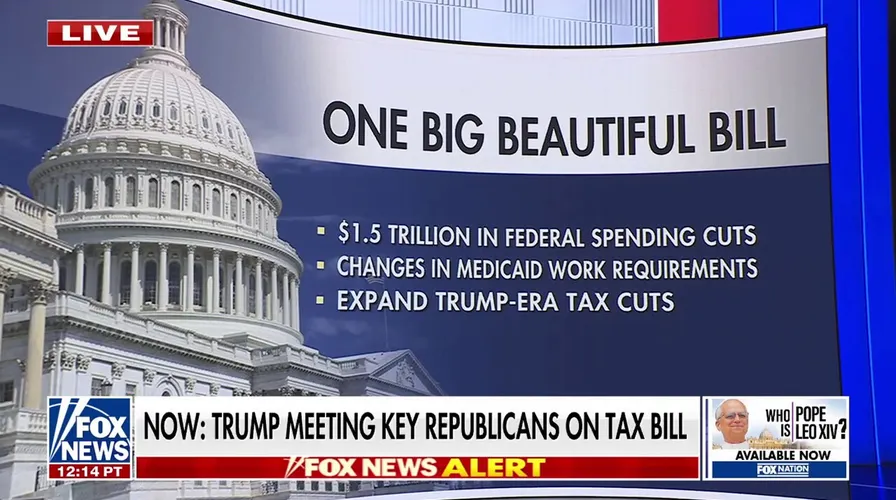
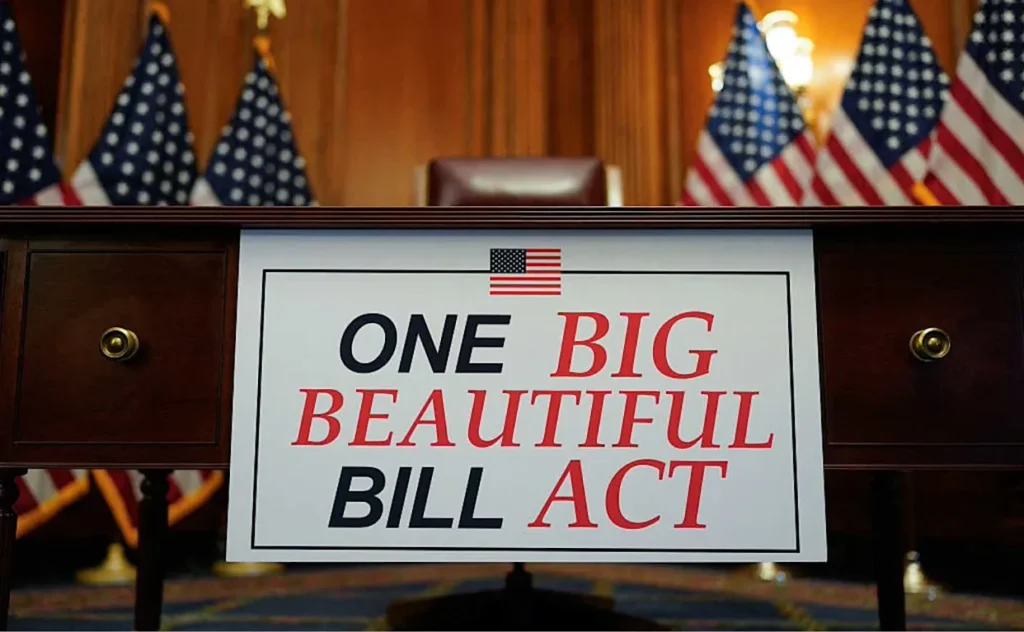
In July 2025, former President Donald Trump signed what he calls “One Big Beautiful Bill” into law—a sweeping piece of legislation reshaping tax policy, housing incentives, and development regulations. While the bill impacts multiple sectors, the real estate industry stands to experience some of the most immediate and dramatic shifts.
If you’re planning to buy a home, invest in rental property, or build, here’s how Trump’s Big Beautiful Bill affects your next move—and where new opportunities may be waiting.
🏡 1. Mortgage Tax Benefits Are Back and Bigger

A major highlight of Trump’s Big Beautiful Bill is the reinstatement of the $1 million mortgage interest deduction—a move designed to boost homeownership. This is especially impactful in high-cost markets where jumbo loans are common.
Takeaway for Buyers:
If you’re purchasing new construction or moving into a larger home, your tax benefits just increased significantly.
🏘 2. Developers Get Green Lights—and So Do You
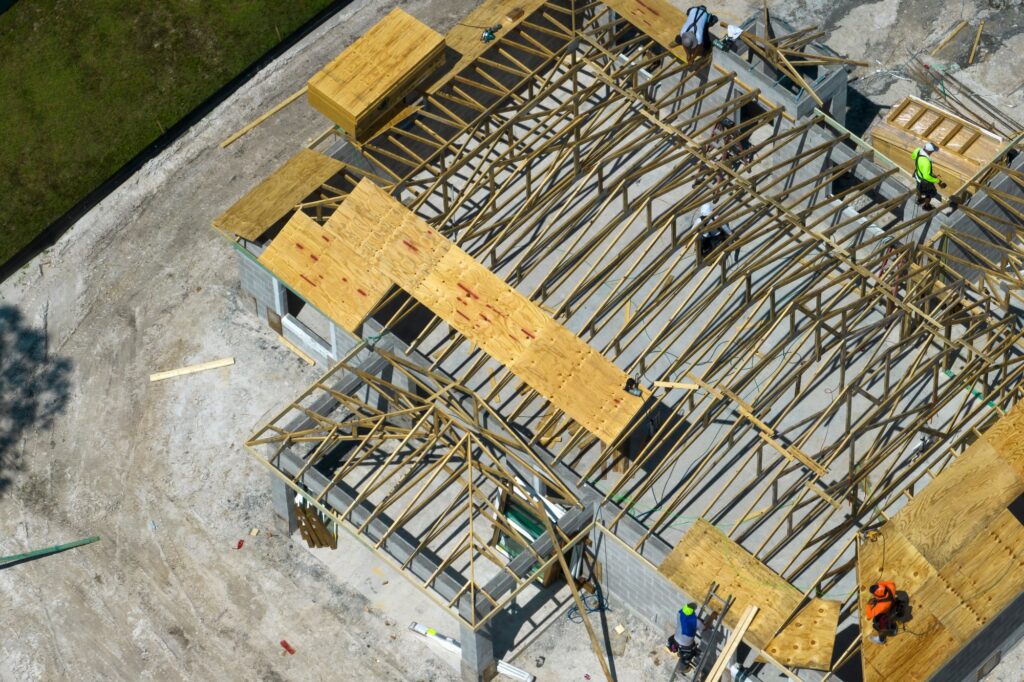
The bill includes streamlined zoning approvals, tax breaks for homebuilders, and deregulated permitting—measures intended to jumpstart construction and alleviate inventory shortages.
Impact for Investors & Builders:
-
Easier pathways to develop land
-
Reduced red tape on multifamily builds
-
Tax credits for projects in underserved markets
This sets up ideal conditions for build-to-rent investors, developers, and real estate professionals aligned with new construction projects.
💸 3. Bonus Depreciation for Real Estate Is Back
Trump’s Big Beautiful Bill reinstates 100% bonus depreciation for qualifying property improvements—allowing real estate investors to write off capital expenses immediately.
Use cases include:
-
Renovating a rental
-
Upgrading short-term rentals
-
Improving commercial spaces
This dramatically increases after-tax return on investment, especially for multifamily and Airbnb operators.
👷 4. Overtime & Tip Income = More Mortgage Power
The bill also excludes tip income and overtime pay from federal taxation, effectively raising the take-home pay of many hourly and service-based workers.
Why it matters:
-
Increases borrower income during mortgage pre-approvals
-
Expands the buyer pool and boosts housing demand
This creates an upward trend in entry-level housing and first-time buyer activity, especially in growing metro areas like Tampa, Dallas, and Phoenix.
🔌 5. Clean Energy Rollbacks = Lower Builder Costs, Higher Buyer Bills
By rolling back tax credits for solar panels, EV chargers, and other green incentives, the bill lowers costs for developers but may increase long-term operating expenses for homeowners.
What this means:
-
New homes may be cheaper to build—but less energy efficient
-
Buyers should factor future utility costs into budgeting
For eco-conscious investors and homeowners, energy efficiency upgrades may need to be made manually—and without government assistance.
📞 Ready to Buy, Build, or Invest?
Whether you’re a buyer, investor, or builder, Trump’s Big Beautiful Bill opens new doors. With tax breaks, faster development approvals, and broader financing access, the real estate market in 2025 is shifting—fast.
Contact The Abbadie Group today or call (305) 407‑0208 for a custom plan to help you leverage the bill’s benefits and build long-term wealth.
Share :
FAQs
Yes—especially those financing larger homes or relying on overtime income. It increases mortgage tax deductions and expands affordability.
Absolutely. They get tax breaks, faster approvals, and relaxed zoning—encouraging more new construction in 2025–2026.
This bill is highly favorable for investors, especially with the return of bonus depreciation and expansion of build-to-rent pathways.
Yes, but not in a positive way. Energy tax credits are being rolled back, which may discourage green upgrades.
Most of the provisions are written to extend or make permanent the 2017 tax cuts. However, future changes depend on election outcomes and fiscal policy.
